Racking Inspections: Understanding SEMA Guidelines for 2026
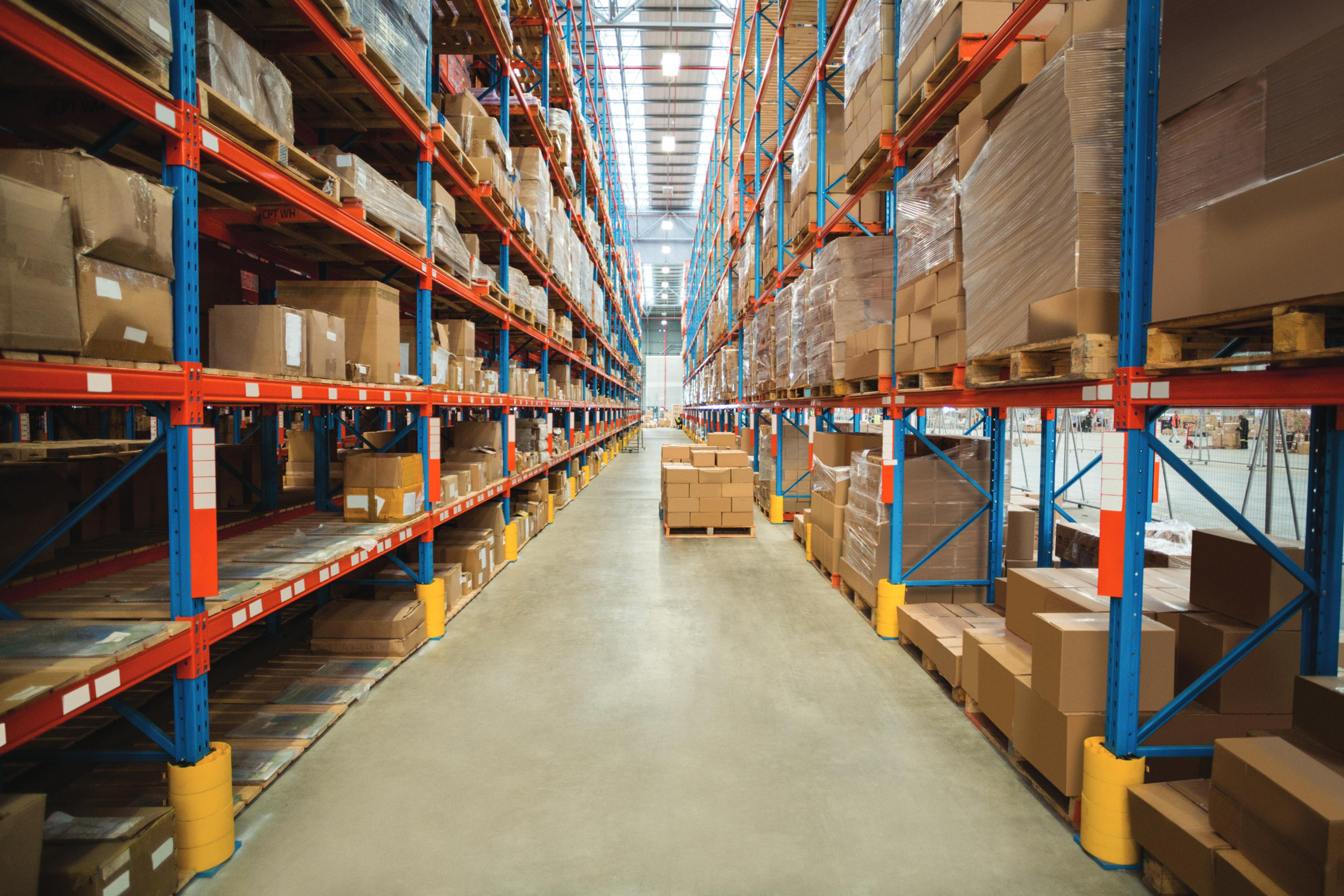
In the world of warehouse management, safety isn't a topic to be discounted, it’s a set of rigorous technical standards. For UK businesses, those standards are defined by SEMA (Storage Equipment Manufacturers' Association).
If you are responsible for a warehouse, understanding SEMA guidelines is essential for legal compliance, insurance validity, and, most importantly, the safety of your team. This guide breaks down the core principles of SEMA racking inspections and how they integrate with HSE requirements in 2026.
How Often Should My Racking Be Inspected?
One of the most frequent questions our team at Storage Concepts receives is about the frequency of audits. According to the HSE (HSG76) and SEMA, safety is a three-tier process:
- Daily Checks: Warehouse staff should be trained by your PRRS to spot and report obvious damage (like a hit from a forklift) the moment it happens.
- Weekly Visual Inspections: Conducted by your internal Person Responsible for Racking Safety (PRRS). This is a documented walk-through to catch emerging issues.
- Annual Inspections: A deep-dive technical audit carried out by a SARI (SEMA Approved Racking Inspector). This is a legal requirement at least once every 12 months.
Do I Need a SEMA Inspection if My Racking is New?
A common misconception is that new racking is safe by default. SEMA guidelines state that a pre-use inspection is vital.
When Storage Concepts completes a new pallet racking installation, we ensure the system perfectly matches the original design specifications. A SEMA-compliant check at this stage ensures that load notices are correct, safety pins are locked, and the floor fixings are secured before the first pallet is ever loaded.
The SEMA "Traffic Light" System
One of the most critical SEMA guidelines is the categorisation of damage. At Storage Concepts, our inspectors use this traffic light system to help you prioritize your maintenance budget:
- Green Risk: Damage is within SEMA’s safe limits. It’s safe to use, but must be recorded and monitored.
- Amber Risk: Damage has exceeded safe limits but is not yet critical. You have 4 weeks to repair this before it is legally re-classified as a Red Risk.
- Red Risk: Critical damage. The racking must be offloaded and prohibited from use immediately.
Why SARI-Certified Inspectors Matter
Not all racking inspectors are created equal. A SARI (SEMA Approved Racking Inspector) is an individual who has passed rigorous technical examinations held by SEMA.
When you hire us to inspect your warehouse racking, you aren't just getting a visual check, you are getting a SARI certified professional. Our racking inspection includes a technical assessment:
- Checking for plumb (verticality) of the racking.
- Assessing beam deflection (bowing) under load.
- Verifying the presence of safety locking pins and load notices.
- Checking the condition of floor fixings and aisle protectors.
Maintain Your Warehouse Standards
With over 40 years of experience, Storage Concepts is your partner in warehouse safety. From our base in Melton Mowbray, we help businesses across Leicester and the UK stay safe, compliant, and operational.
Racking Safety FAQs
Does Storage Concepts provide a report after the inspection?
Yes. Following every audit, we provide a comprehensive technical report. This includes a full itemisation of any damage, the "Traffic Light" risk categorisation, and a clear set of recommendations for repairs to ensure you meet HSE standards.
What happens if my racking fails a SEMA inspection?
Failing an audit means you have identified a risk before it becomes an accident. Storage Concepts is a full-service provider; if we find "Red" or "Amber" risks, we can source original manufacturer components and carry out professional pallet racking repairs to restore your compliance immediately.
Can Storage Concepts inspect non-standard racking?
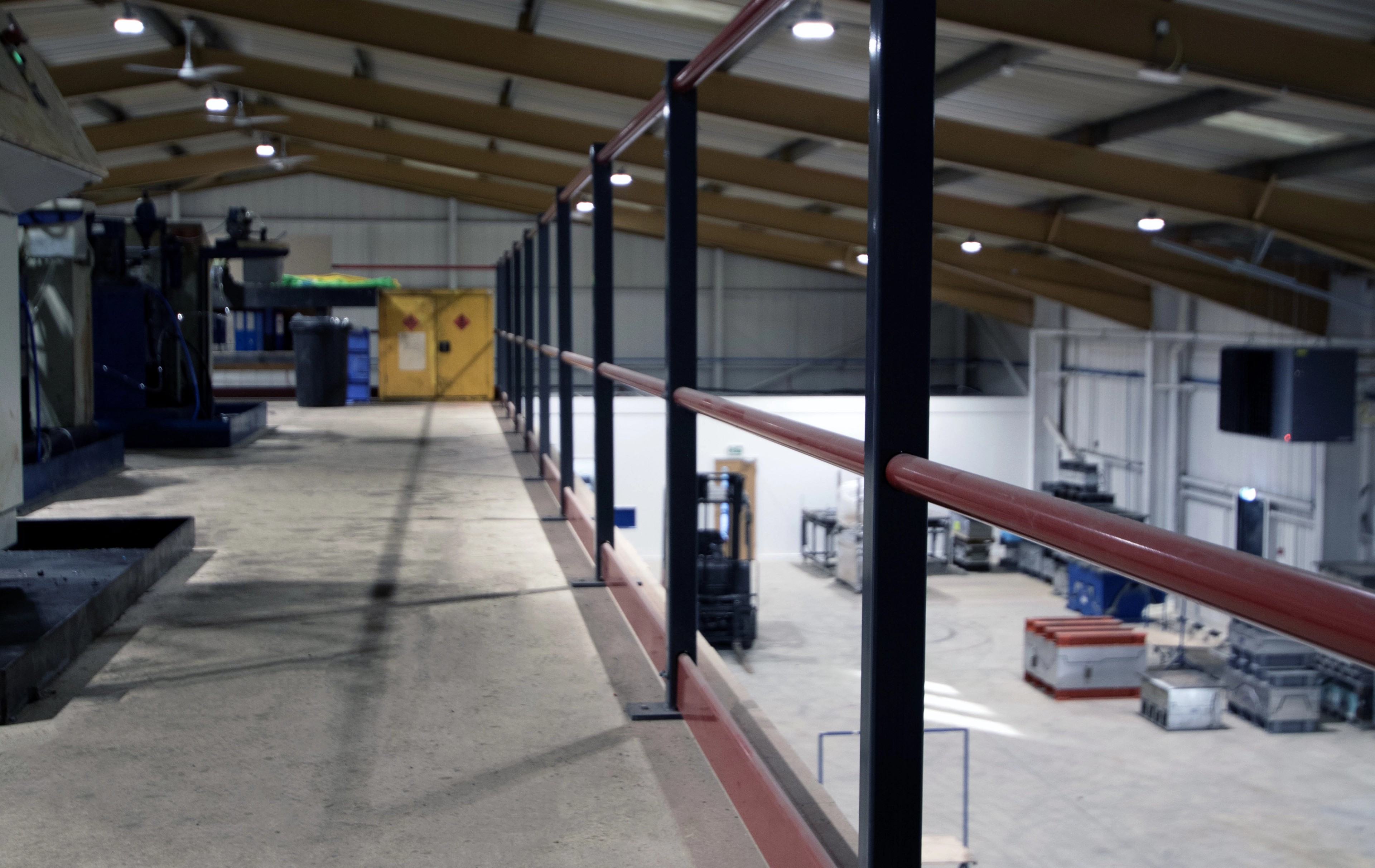
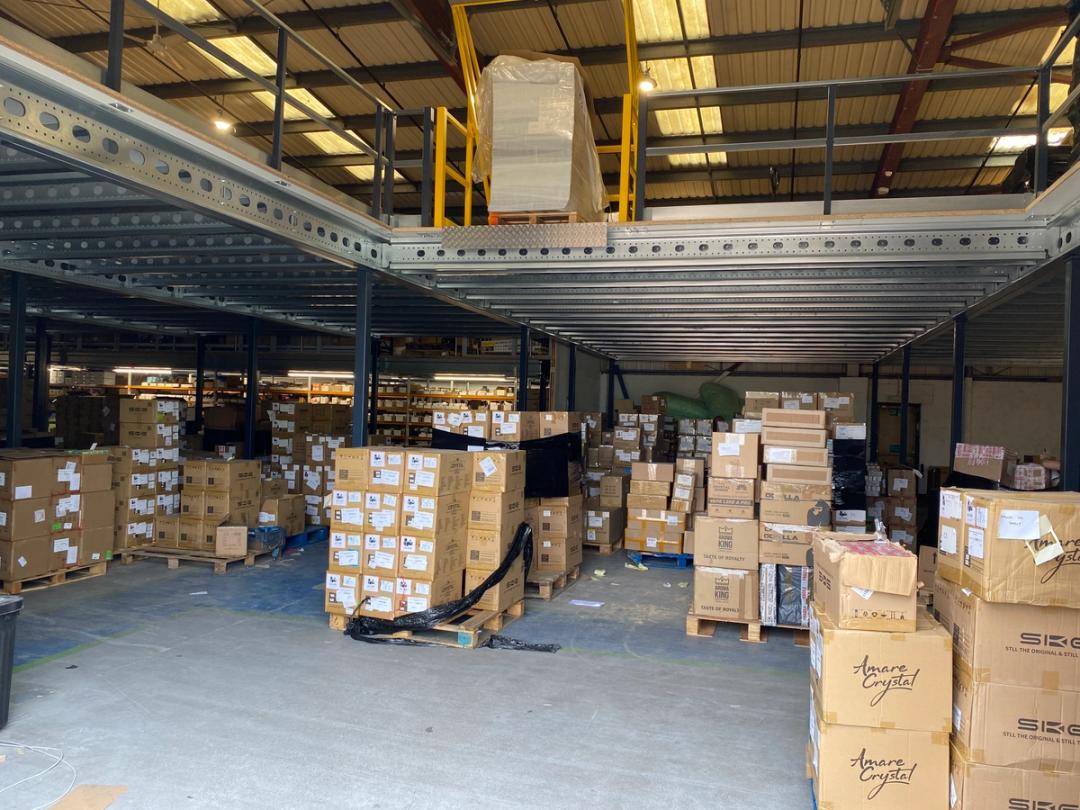
Absolutely. SEMA guidelines apply to a wide range of systems. Our team is qualified to inspect Cantilever Racking (for long/bulky goods) and racking integrated with Mezzanine Floors.
Is a SEMA inspection a legal requirement?
While SEMA is a trade association, the HSE refers to SEMA's codes of practice as the "standard to meet" under the Health and Safety at Work Act and PUWER regulations. Failure to provide a record of annual inspections can lead to heavy fines and the invalidation of your business insurance.
Latest News
View all news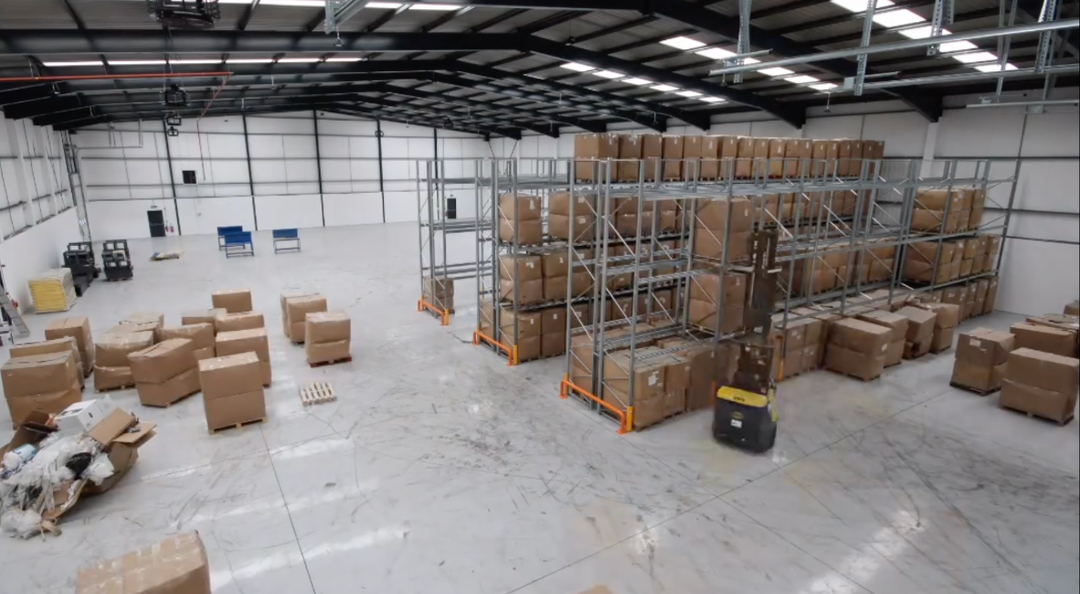
Arrange a consultation
Contact us today to arrange a free, no obligation consultation.
Book a consultation