Double Deep Pallet Racking for Warehouses
Get more from your warehouse with a double deep pallet racking system that increases storage capacity without expanding your floor space.
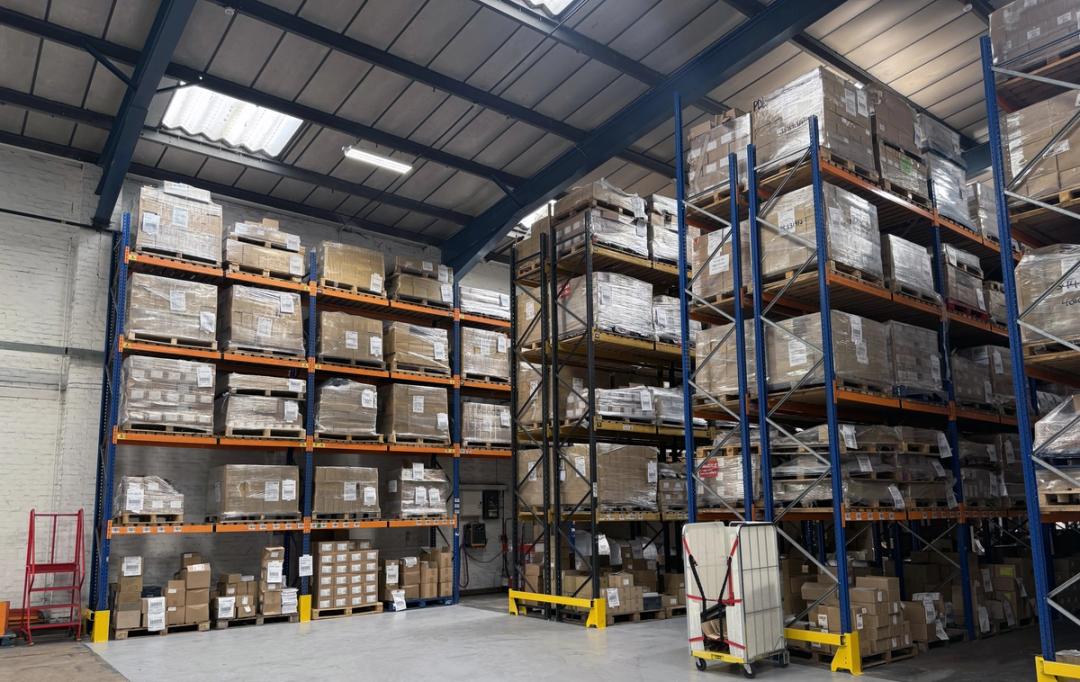
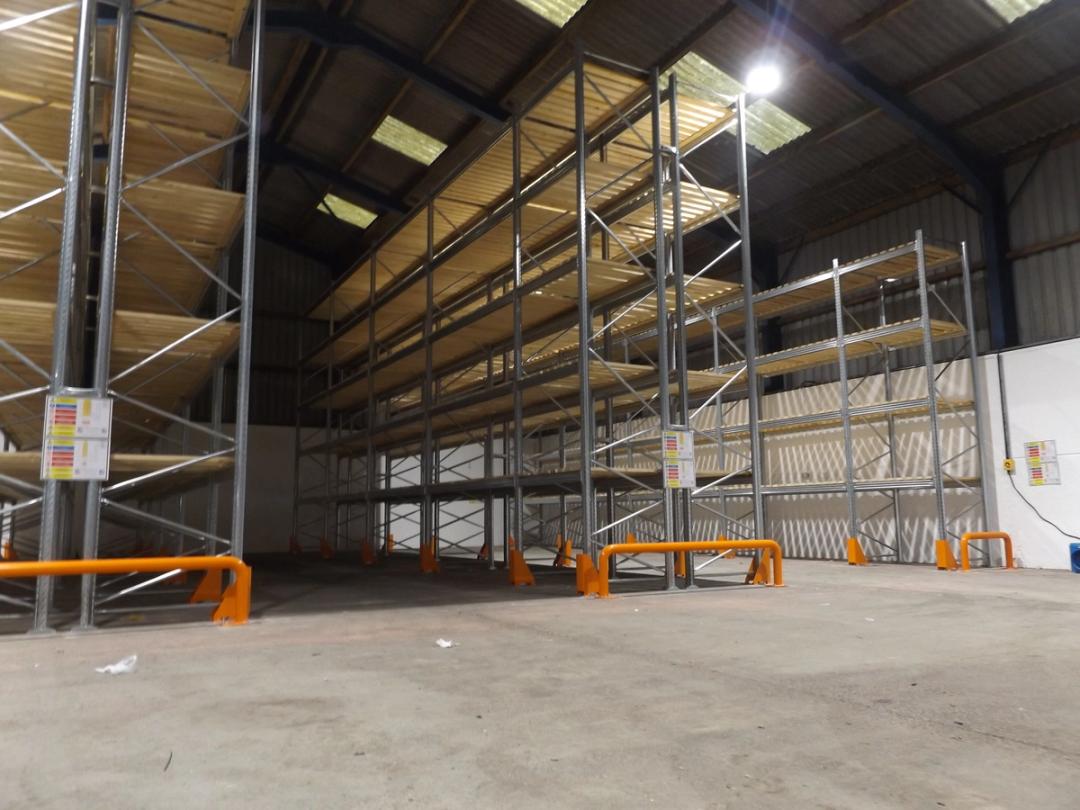
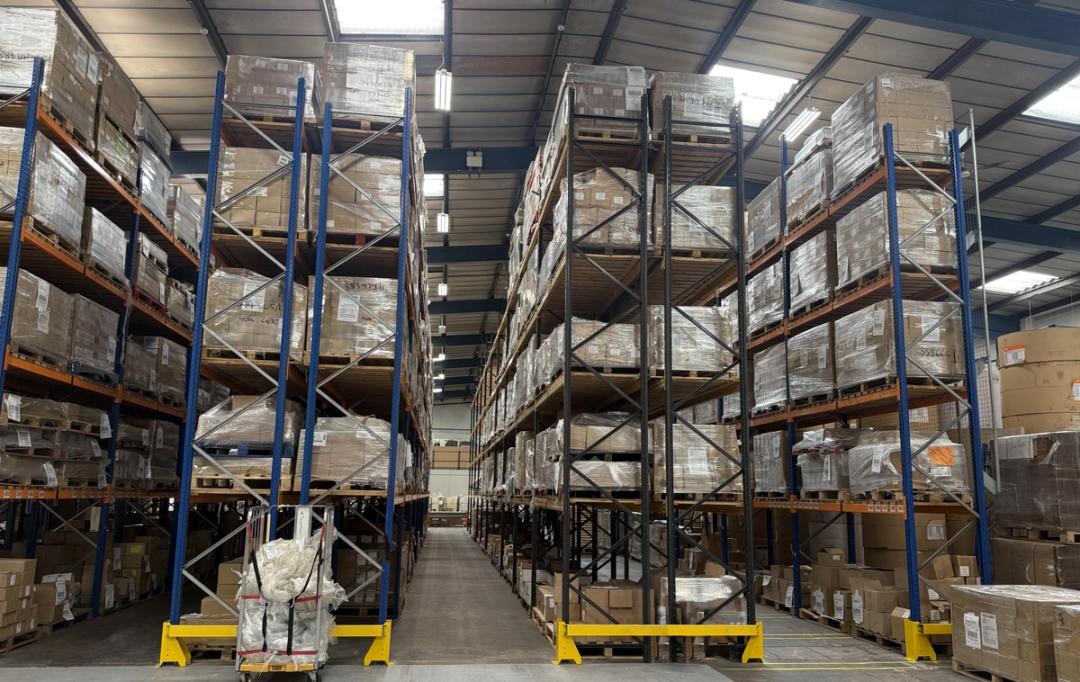
By placing one row of racking directly behind another, double deep racking lets you store pallets two-deep or four-deep between aisles. This helps reduce the number of aisles you need while increasing storage density, so it’s ideal for businesses that handle large quantities of similar stock.
A double-deep system can increase your pallet capacity by up to 30% compared to standard wide-aisle racking. By saving space, lowering your overheads and making stock easier to store, you can keep your operation moving fast – and even delay the need for an expensive warehouse expansion.
Because you need fewer aisles, double deep pallet racking lets you use up to 50% of your total floor area purely for storage. This makes it an ideal choice when you need to fit as much stock as possible into your current building.
Double Deep Racking Benefits
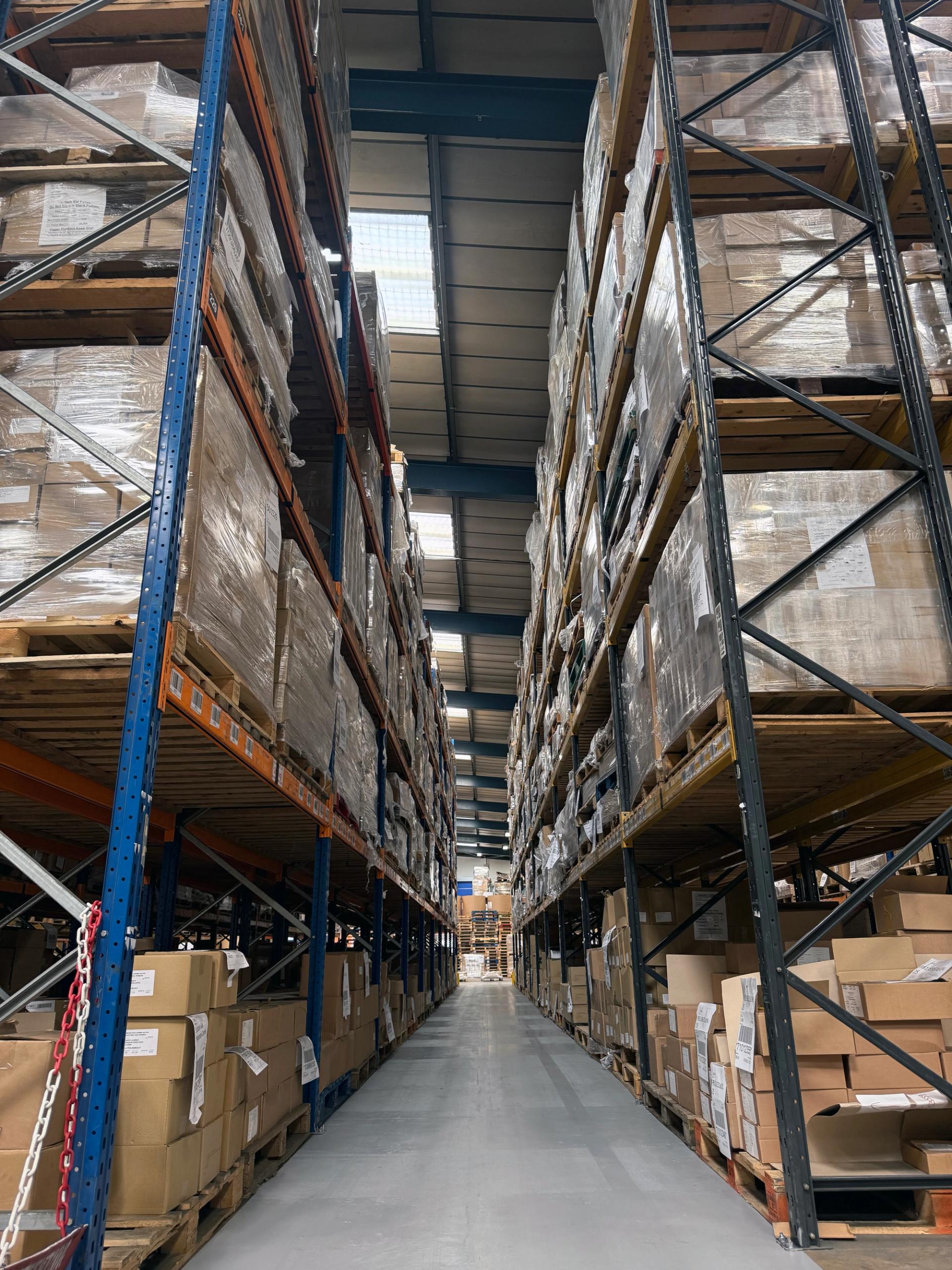
Narrower aisles
Aisle widths typically range from 2.5 to 4 metres. This gives forklifts enough room to move safely while eliminating wasted floor space.
Faster stock handling
Built for busy warehouses, double-deep systems reduce the number of aisles operators need to travel through, helping speed up pallet storage and retrieval.
More room for pallets
Store up to 30% more pallets than conventional racking allows. This helps you get the most out of your existing building and avoids the disruption and cost of moving to a larger warehouse.
Simplified bulk storage
This setup is ideal for warehouses storing large quantities of the same product (SKU), helping keep inventory organised and easy to manage.
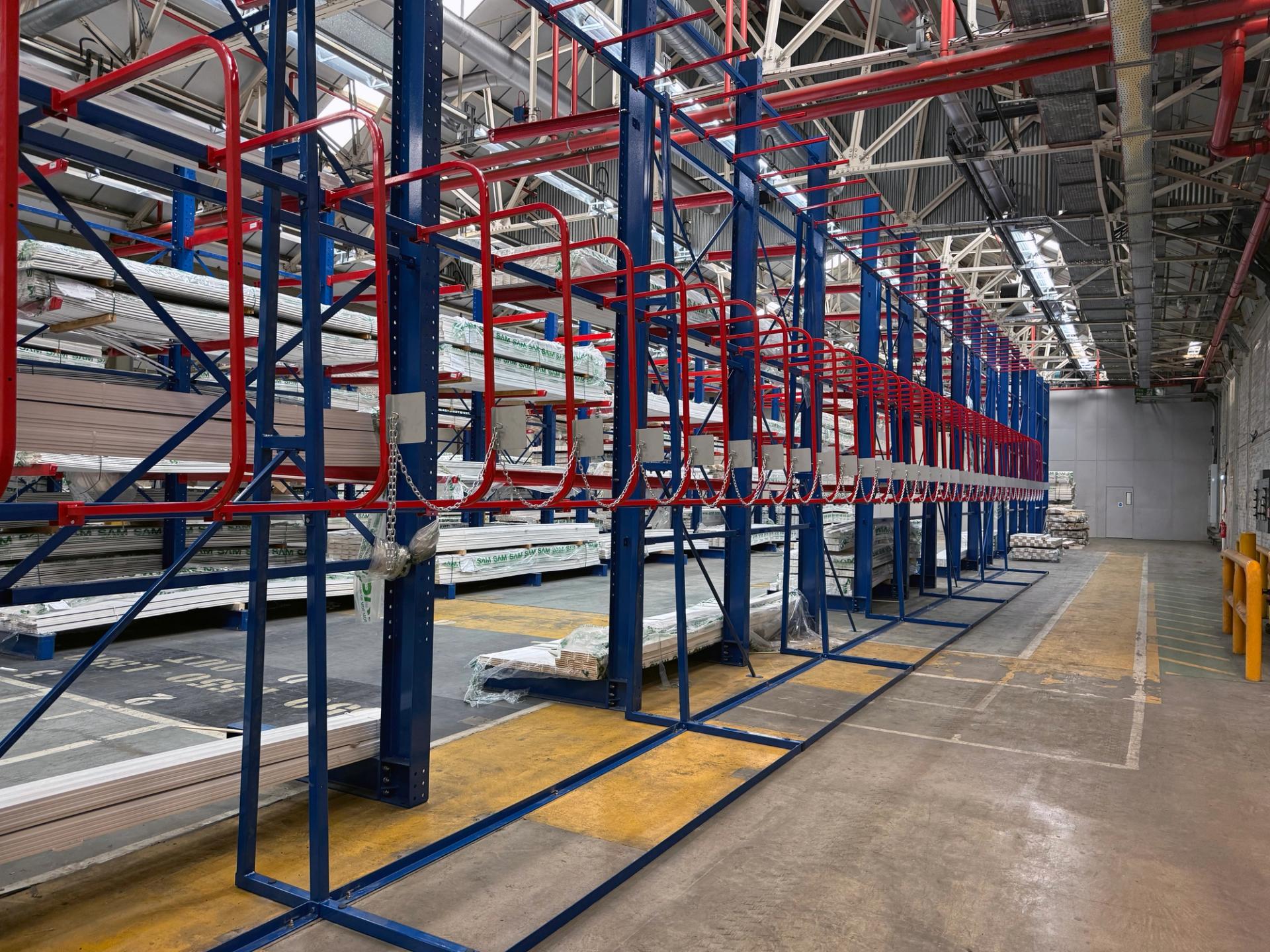
Other Types of Racking
If double deep isn't the right fit for your warehouse, we also design and install other racking systems to fit your specific stock and warehouse layout:
Who we've worked with









Why Concepts Group

40 years' experience

National Install

Platinum awarded customer service

ISO 9001 accreditation
Our Process
Here's what you can expect our process to look like:
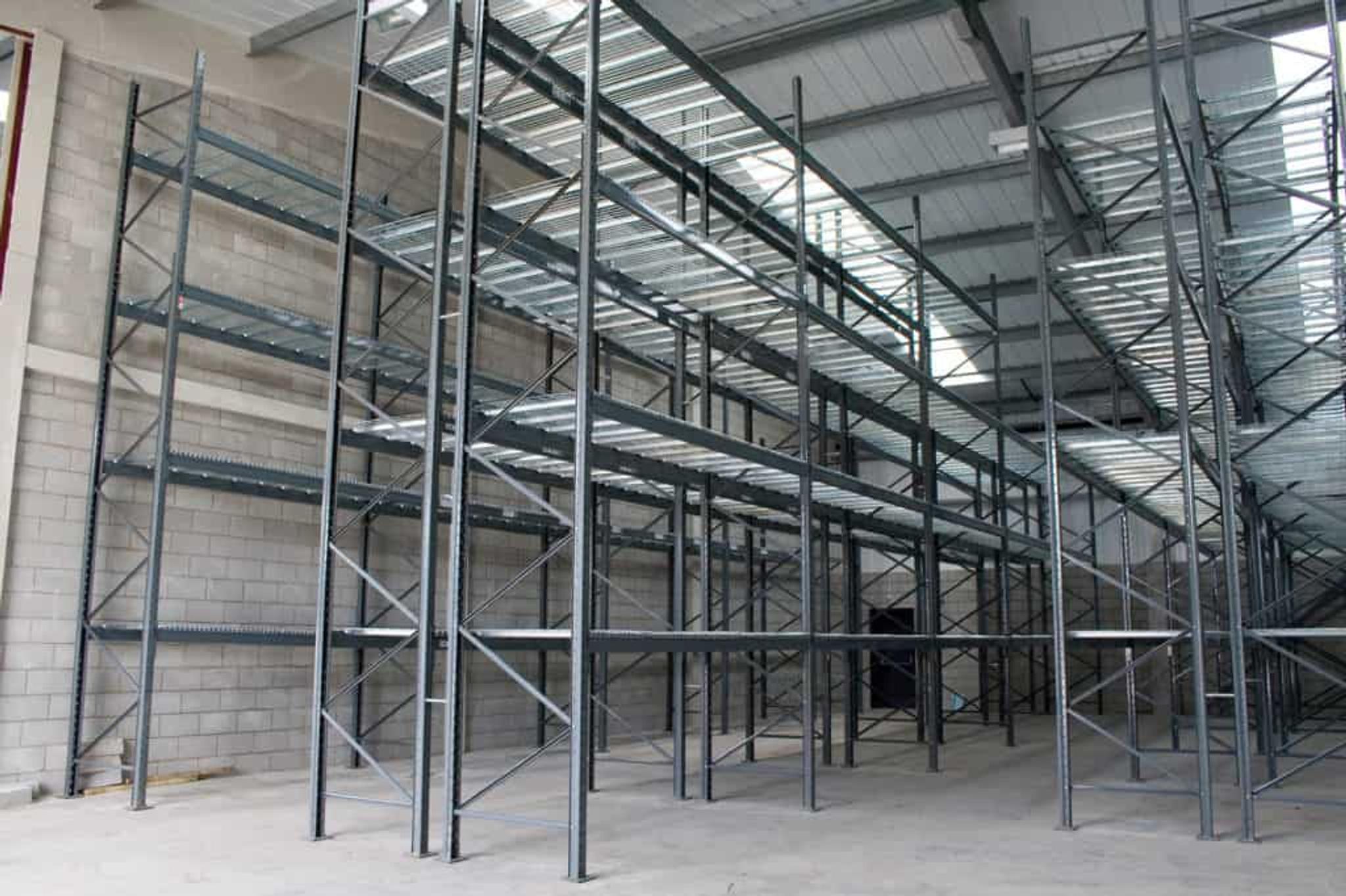
Step 1: Get in touch
Whatever stage of the project you're at, you can get in touch with our team to discuss your space requirements and what you’re looking to achieve. Feel free to fill out a contact form on our website or via one of the methods below. 01664 410414 sales@conceptsgroup.uk
Step 2: Free consultation
We’ll be in touch to offer expert advice on the best pallet racking solution for your warehouse, with no obligation.
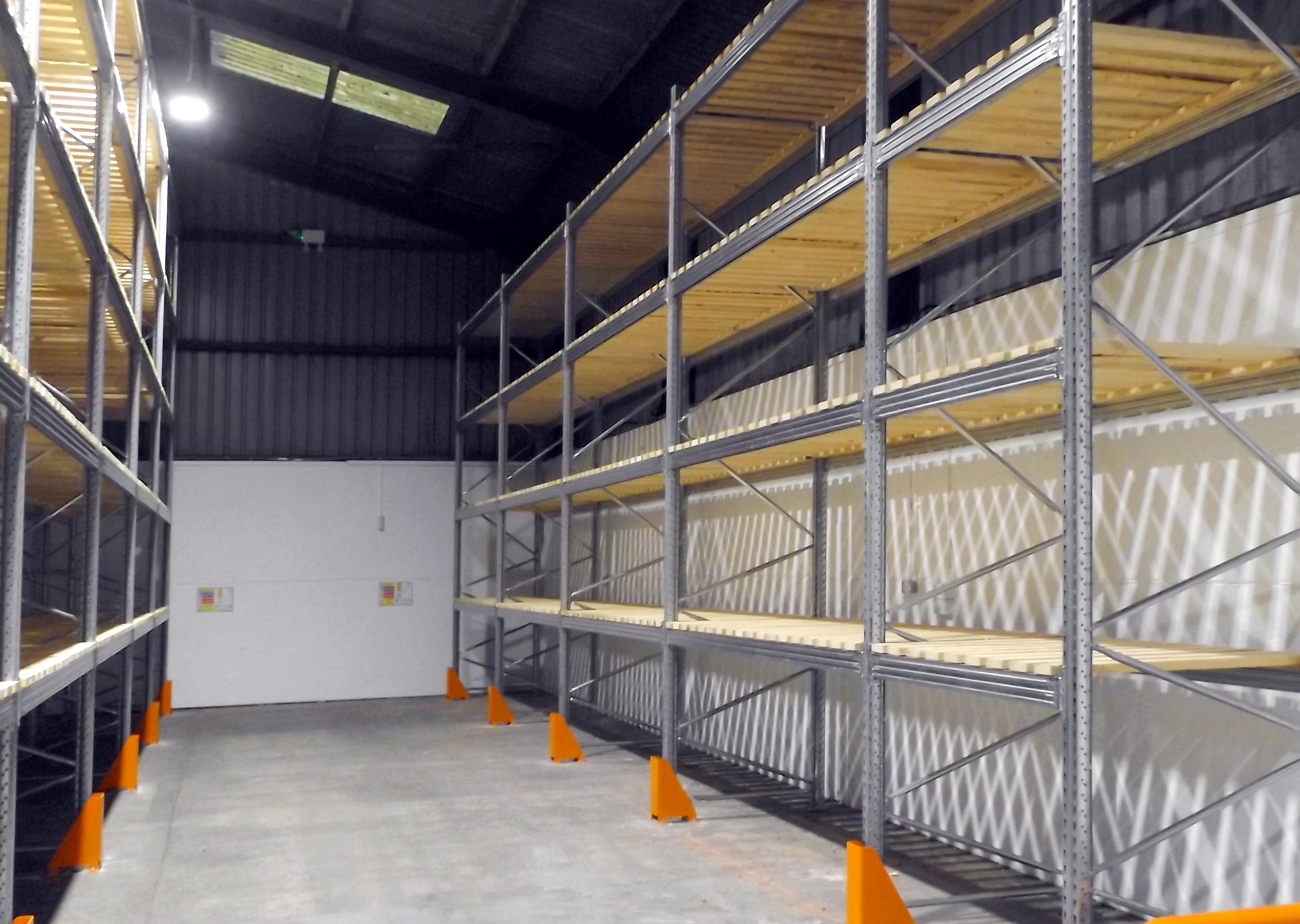
Site survey
Our specialists will visit your site to take measurements, assess access, and understand your operational needs.
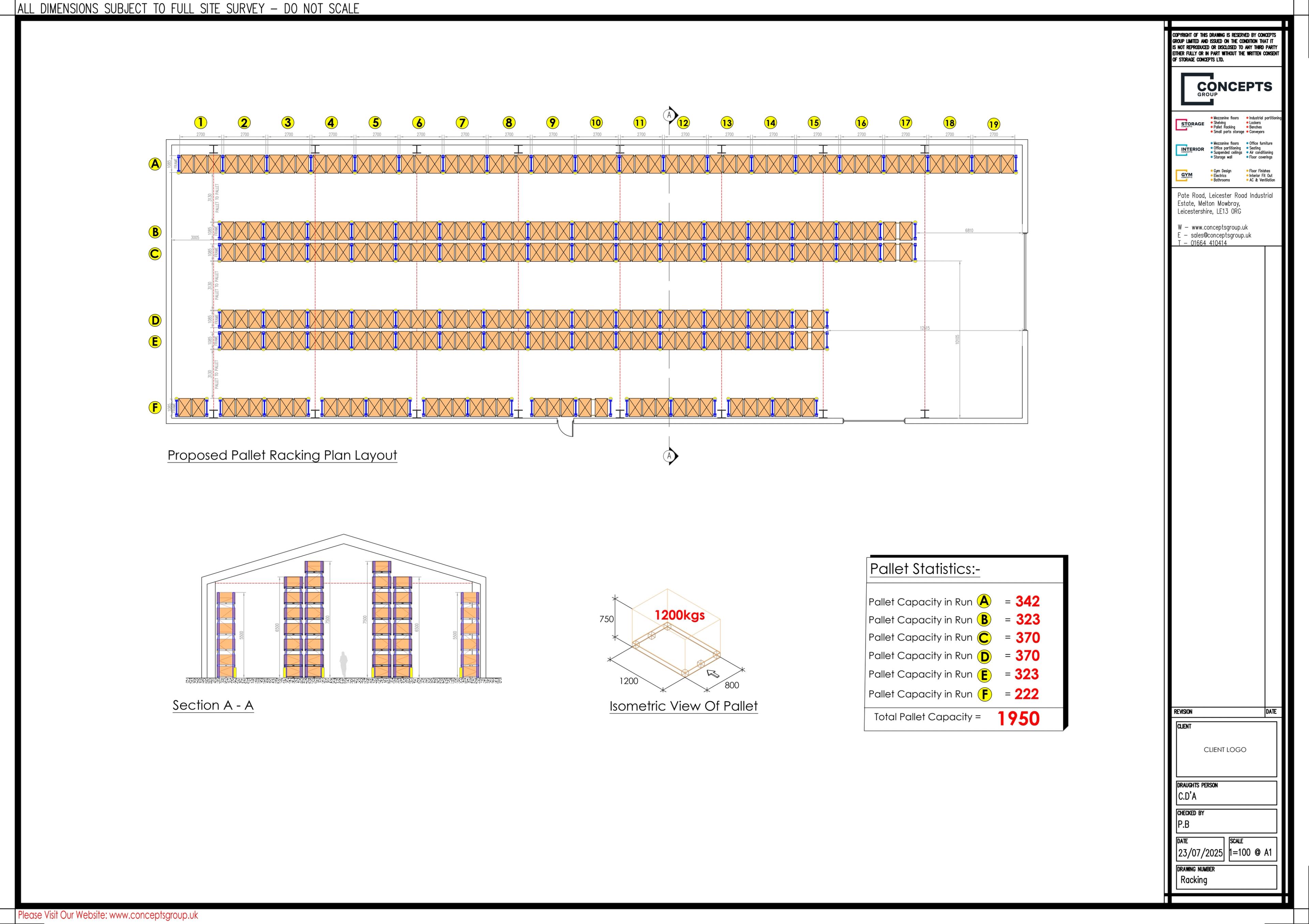
Design
We’ll create a custom racking design tailored to your layout, usage, and future plans.
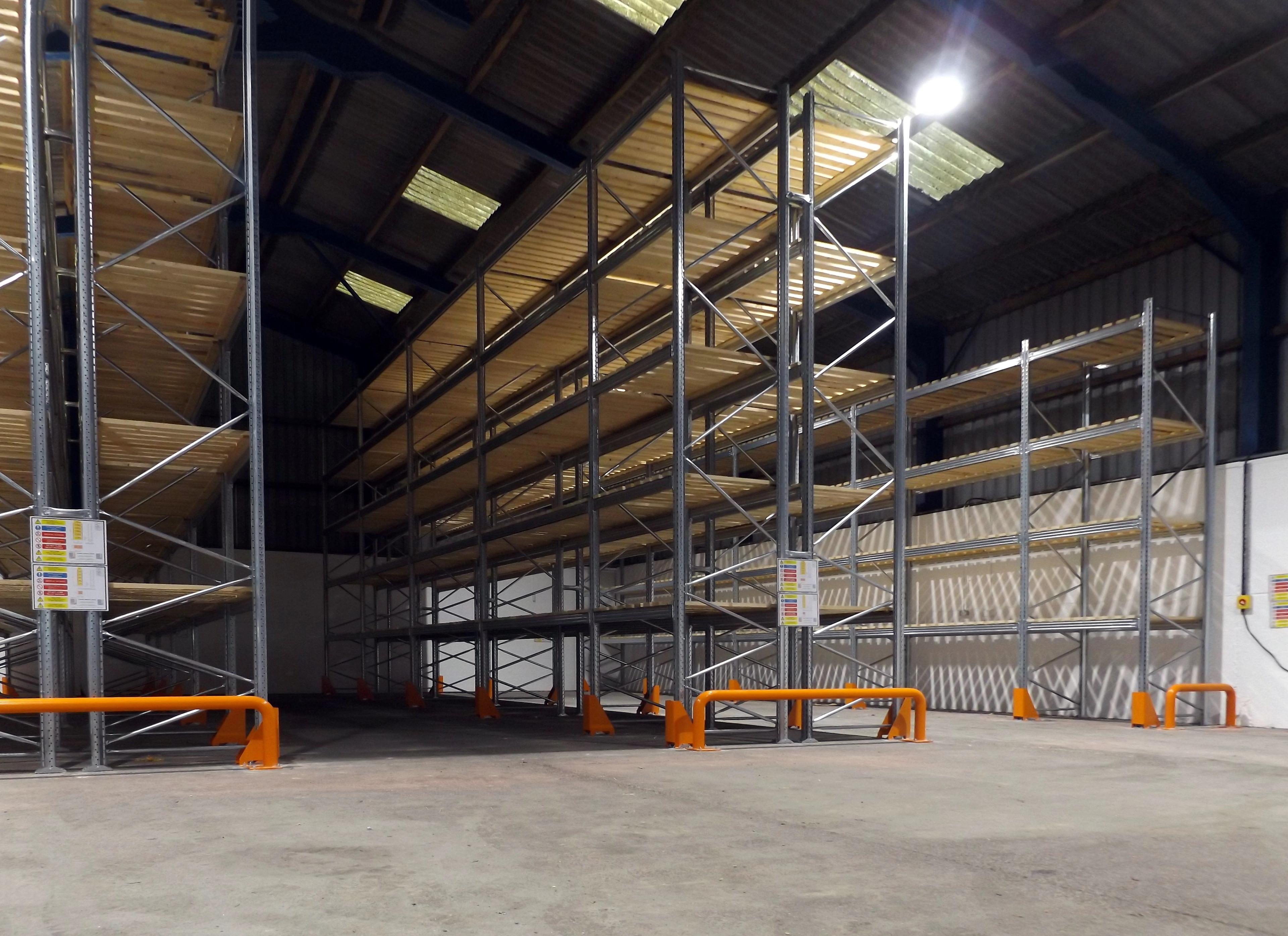
Installation
Our experienced fitters will install your pallet racking efficiently and with minimal disruption to your business.